Most homeowners don’t think about their roof drainage system until something goes wrong — a leak, a flooded basement, or visible damage along the roofline. Staying ahead of potential issues, including timely gutters repair, is the smartest way to protect your property from costly water damage. Understanding how often to clean your drainage channels is one of the most practical steps in responsible home maintenance — and it’s far easier than most people assume.

Why Your Roof Drainage System Demands Attention
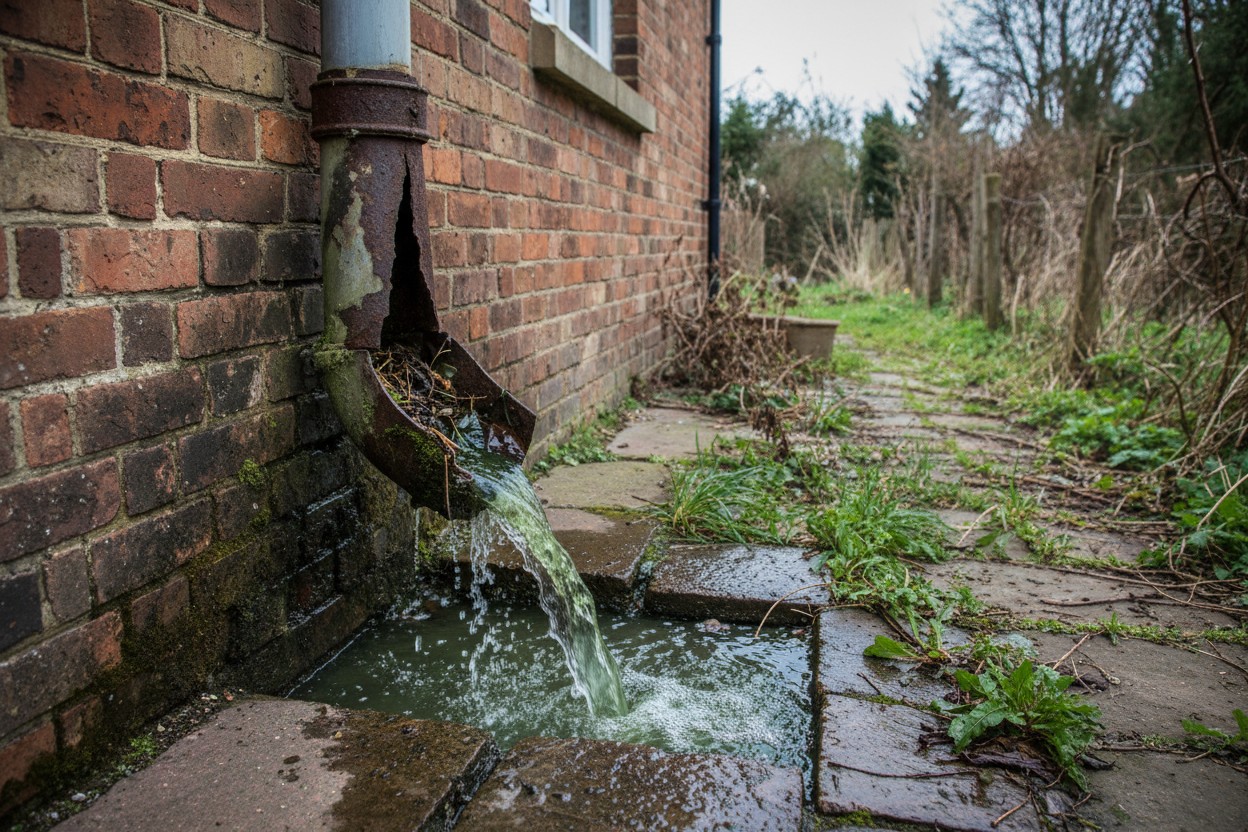
Water is one of the most destructive forces a home can face. When the channels along your roofline become clogged with leaves, twigs, dirt, and accumulated debris, water has nowhere to go — and it will carve its own path. That path often leads directly into your walls, foundation, or basement. Over time, this causes structural damage that costs thousands of dollars to address.
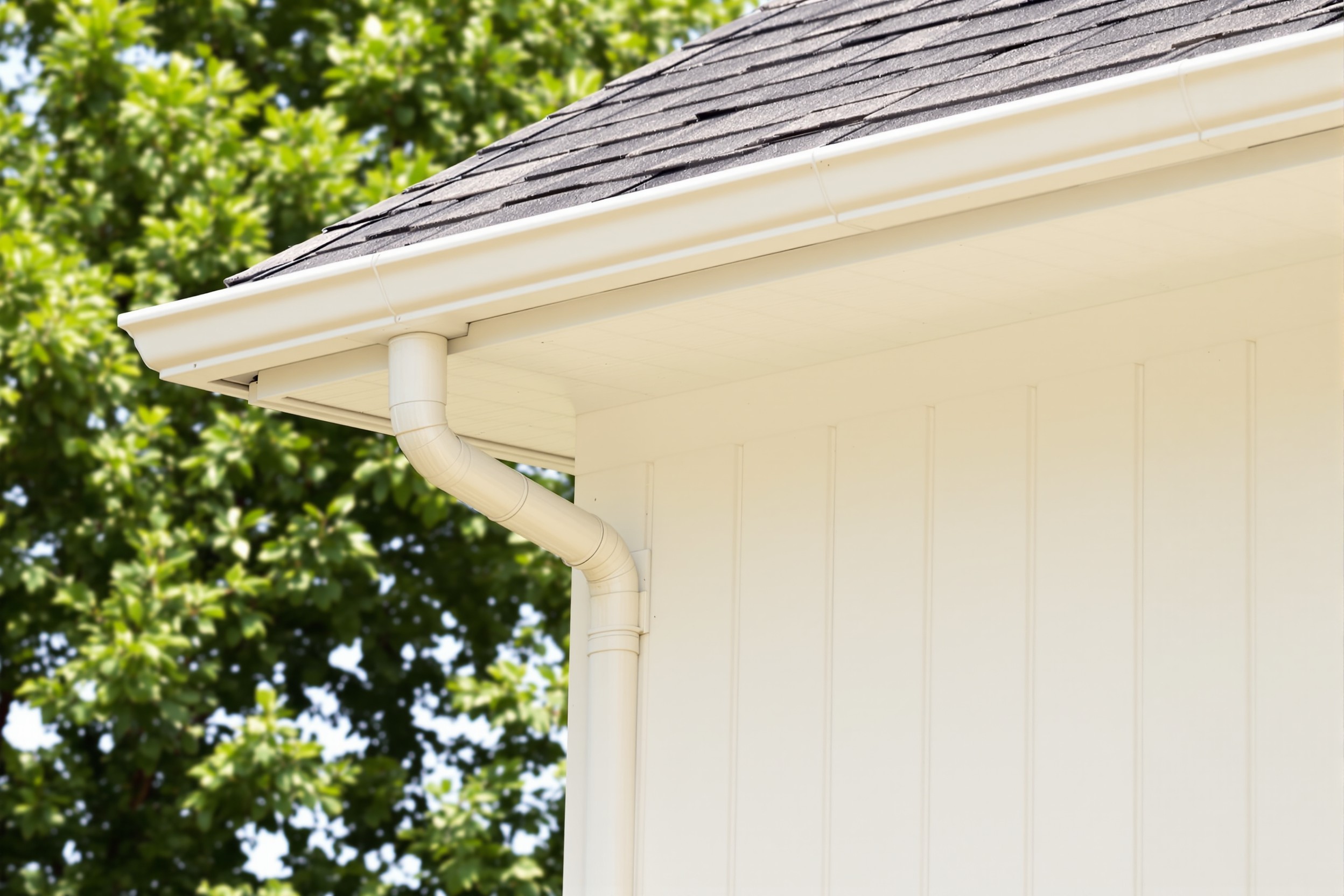
Properly maintained drainage troughs ensure that rainwater flows freely away from your home’s foundation. They protect your roof, your siding, your landscaping, and even your driveway from erosion and persistent moisture intrusion. A clean, functional rooftop drainage system is one of the most cost-effective investments any homeowner can make — and neglecting it is one of the most expensive mistakes.
Think of it this way: the entire water management architecture of your home depends on those narrow channels functioning correctly. When they fail, the consequences don’t stay localized. They ripple outward — into your attic insulation, your crawlspace, your interior walls, and your landscaping. Prevention, in this case, is not just wiser than cure — it’s dramatically cheaper.
How Often Should Cleaning Actually Happen?
The right frequency depends on several factors: the climate in your region, the number and type of trees surrounding your home, and how your roof is constructed. Here is a practical breakdown:
- Twice a year — The standard recommendation for most homeowners. Schedule one session in late spring and one in late fall, after leaves have fully dropped.
- Three to four times a year — If your property is surrounded by large deciduous trees, more frequent maintenance is essential.
- After every major storm — High winds, heavy rain, and hail can deposit significant debris almost overnight, regardless of the season.
- At least once in early spring — To clear out ice residue, compacted twigs, and organic matter left behind by winter’s freeze-thaw cycles.
- Every three months — Homes near pine trees need the most attention, since needles shed continuously throughout the year and compact into stubborn blockages surprisingly fast.
These intervals aren’t arbitrary. They reflect the reality that blockages build gradually and unpredictably. Waiting too long between sessions dramatically increases the risk of overflow, structural sagging, and water intrusion into areas that are expensive to dry out and repair.
Reading the Warning Signs Between Scheduled Cleanings
Even when your maintenance calendar says you’re on schedule, your home may be telling a different story. Certain warning signs should prompt immediate action, regardless of when you last cleaned:
- Water spilling over the sides of the drainage channels during even moderate rainfall
- Visible plant growth or moss sprouting from the troughs — a sign of long-standing moisture retention
- Birds, squirrels, or other pests nesting inside the channels
- Sagging or visibly warped sections anywhere along the drainage run
- Staining, streaking, or erosion on exterior walls directly below the roofline
- Peeling paint or mold growth near the fascia boards
These are not cosmetic issues — they are structural warnings. The longer they go unaddressed, the more extensive and expensive the eventual repair will be. A small blockage caught early can be resolved in twenty minutes. That same blockage ignored for a full season may require professional restoration work.
A Seasonal Approach: Matching Your Maintenance to the Calendar

Spring is a recovery season. After months of freeze-thaw cycles, your drainage channels are likely packed with debris, ice residue, and in some cases, small animals that sought winter shelter. A thorough spring session removes all of this and prepares the system for spring rains and snowmelt runoff — often the heaviest sustained water flow your home experiences all year.
Summer often feels like a safe period, but dust, seed pods, pollen clusters, and summer storm debris accumulate faster than most people expect. A mid-season inspection takes less than an hour and can prevent significant blockages from forming during the intense late-summer rain events common in many climates.
Fall is arguably the most critical maintenance window of the entire year. A single windy week in October can pack your drainage troughs with enough fallen leaves to create a complete blockage. Schedule your fall session after most of the foliage has dropped — but before the first hard frost locks everything in place. Timing matters more in fall than in any other season.
Winter in colder climates brings the risk of ice dams — frozen blockages that can crack drainage structures and force water backward under your roofing material. While full cleaning in freezing temperatures isn’t always safe or practical, a visual inspection to remove standing debris remains worthwhile. Ignoring winter conditions entirely is a common mistake that homeowners often regret when spring arrives.
Professional Service vs. DIY: Knowing When Each Makes Sense
Many homeowners handle their own drainage maintenance using a sturdy ladder, a garden hose, and a narrow scoop or brush. For single-story homes with accessible rooflines, this is entirely reasonable and cost-effective. The process itself isn’t complicated — but it does require care, proper equipment, and respect for the height involved.
For multi-story properties, steep roof pitches, or any situation where damage is suspected, professional service is the wiser choice. Experienced technicians don’t just clean — they inspect. They identify hairline cracks, loose fasteners, misaligned downspouts, and early-stage corrosion that an untrained eye would almost certainly miss. Catching these issues early can prevent a minor, inexpensive fix from evolving into a major structural project that disrupts your home and your budget.
The takeaway: your home’s water management system works silently and invisibly — until it doesn’t. Building a consistent maintenance schedule, staying alert to seasonal cues, and acting quickly when warning signs appear will keep your property safe, dry, and structurally sound for decades to come. The investment of time and attention is minimal. The cost of neglect is not.