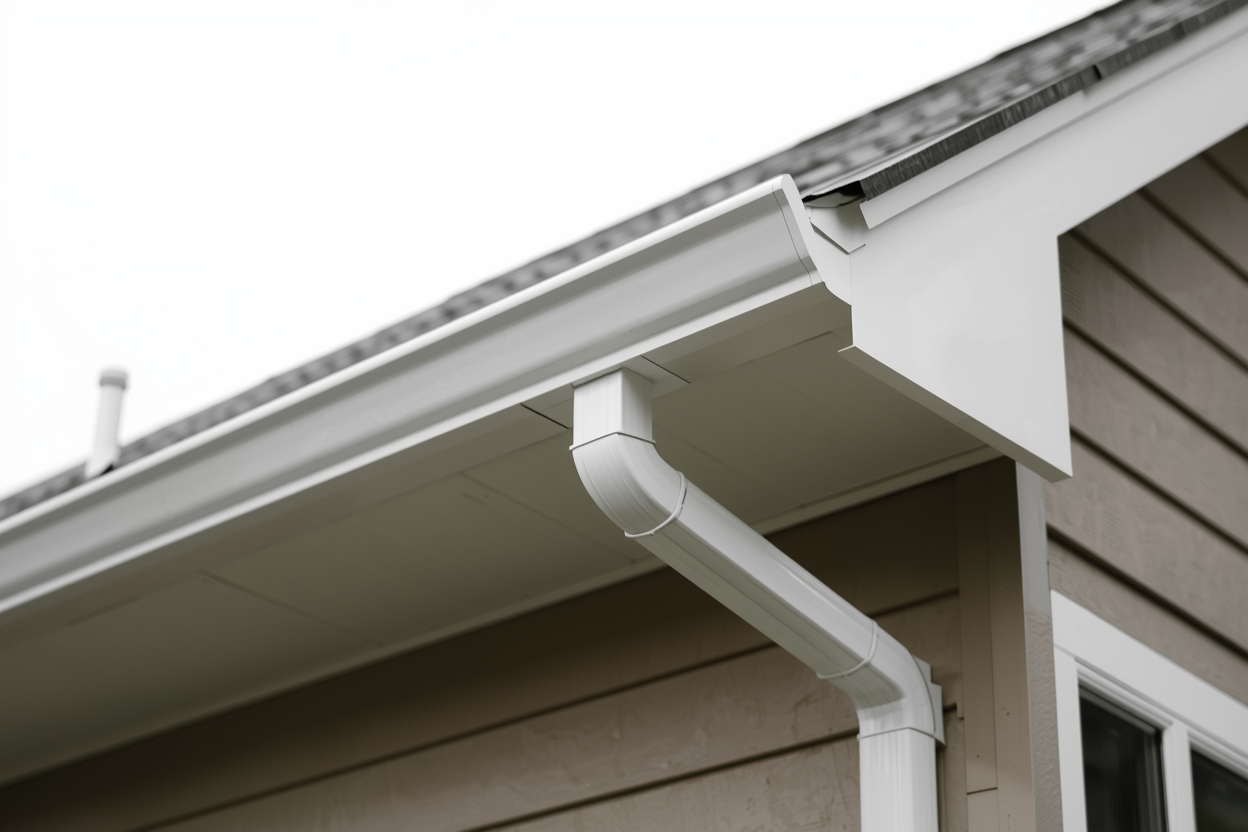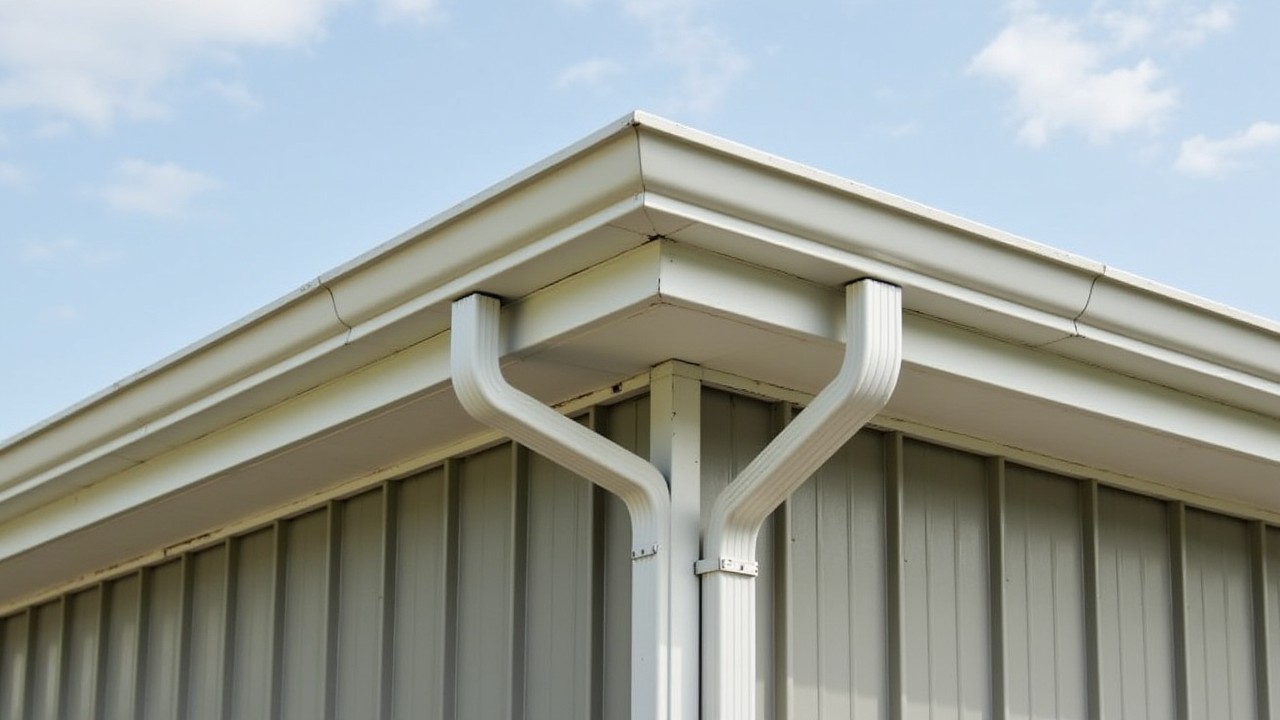
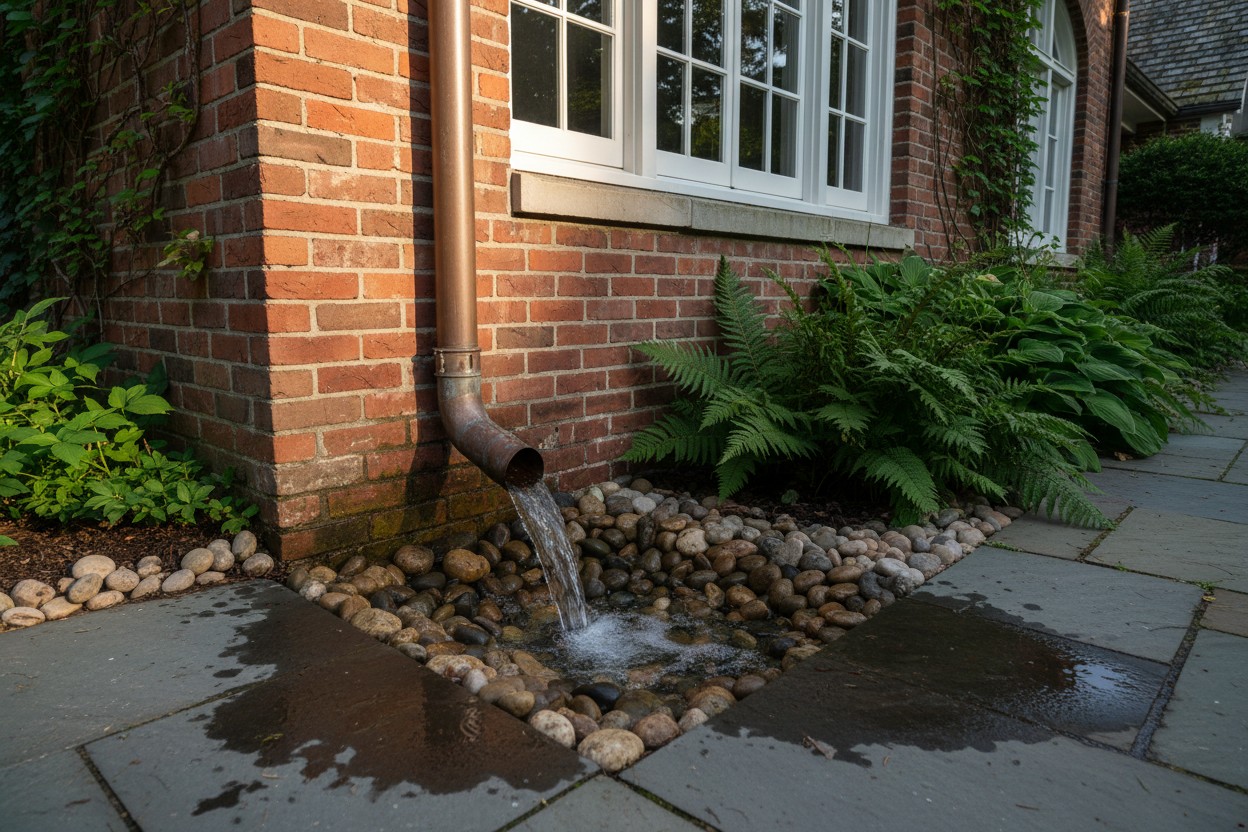
Owning a house means learning to notice small warnings before they turn into expensive structural problems. One of the most overlooked areas is the narrow channeling that directs water away from your roof and foundation. When it starts to fail, the damage rarely stays isolated. Below is a practical, homeowner-friendly checklist to help you understand when gutter repair is needed and why timely decisions matter.
Why Early Detection Matters
When surface water is not guided correctly, it can attack fascia boards, soak insulation, stain siding, and even weaken the base of your home. Addressing issues early often costs less and protects long-term property value. A neglected gutter can silently cause problems long before they become visible indoors.
10 Clear Warning Signs to Watch For
- Sagging or Pulling Away
If the channel along the roofline bends or detaches from its brackets, that is a strong indicator that the gutter has lost structural integrity. - Visible Cracks or Holes
Small fractures may not look serious, but they often expand. These openings usually mean a repair is already overdue. - Peeling Paint or Rust Marks
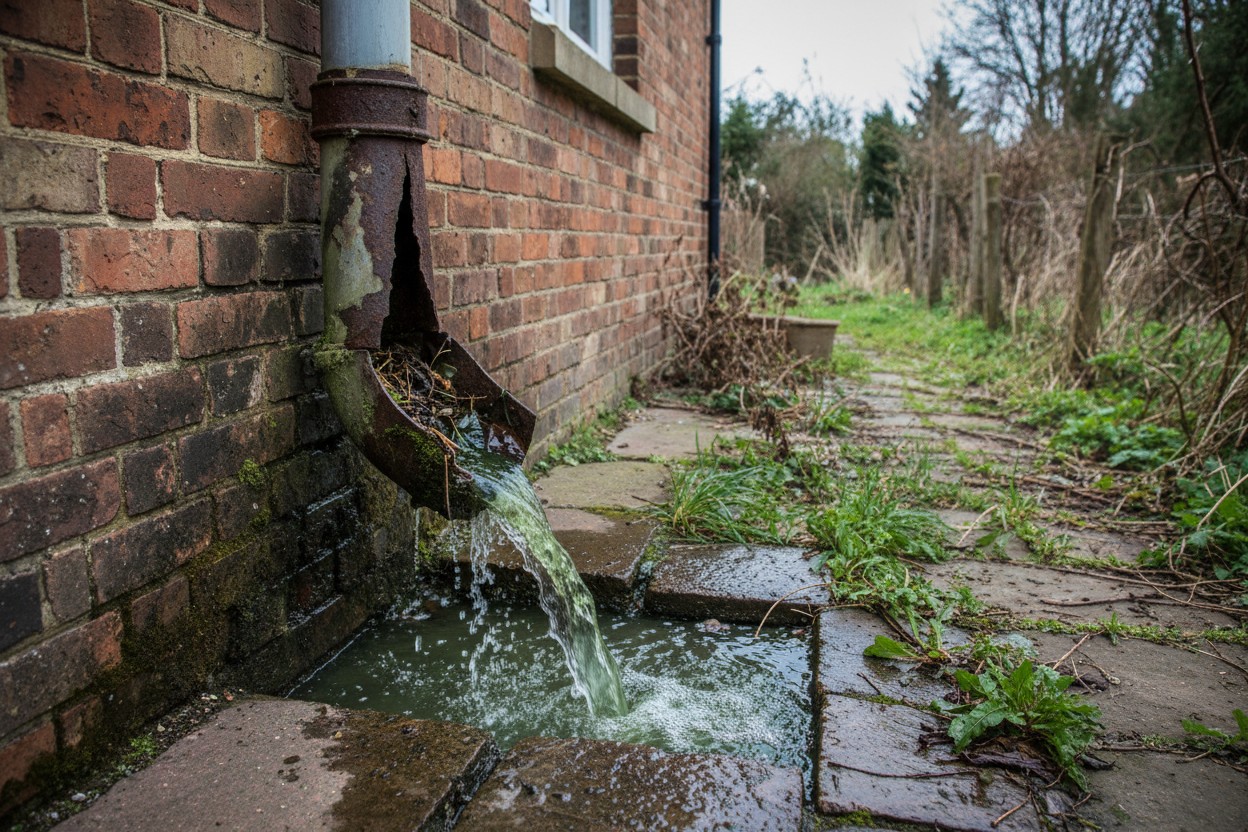
Discoloration on exterior walls often points to water escaping where it should not, frequently traced back to a failing gutter section. - Pooling Near the Foundation
Standing water near your house after a storm is a red flag. Even light rain can reveal this issue if drainage is compromised. - Mold or Mildew Smell
Persistent moisture encourages biological growth. If you notice odors near walls, consider that a hidden repair may be necessary. - Separated Joints
Traditional segmented systems rely on connectors. When joints open up, upgrading to a seamless option can reduce future leaks. - Frequent Clogs
If debris buildup keeps returning despite cleaning, the gutter design or slope may be flawed beyond a simple repair. - Water Stains on Soffits
Dark streaks or soft wood overhead suggest overflow during heavy rain, another signal that the system is not functioning as intended. - Outdated Materials
Older metal or vinyl setups wear out over time. Modern seamless solutions paired with professional installation often last longer and perform better. - Previous Poor Workmanship
If past fixes failed quickly, it may be wiser to plan a full installation instead of repeating temporary fixes on the same gutter line.
Quick Homeowner Self-Check
Before calling a specialist, walk around your house and note the following:
- Any sections that tilt, drip, or look uneven
- Signs of water damage on walls or near the ground
- Areas where repeated repair attempts did not last
This simple inspection can save time and help you explain the issue clearly.
Your home’s exterior water control system plays a quiet but critical role in protecting everything beneath your roof. Paying attention to early symptoms, understanding when a gutter can be saved, and recognizing when replacement is the smarter investment will help you avoid costly surprises. A proactive approach today
can prevent structural headaches tomorrow.